

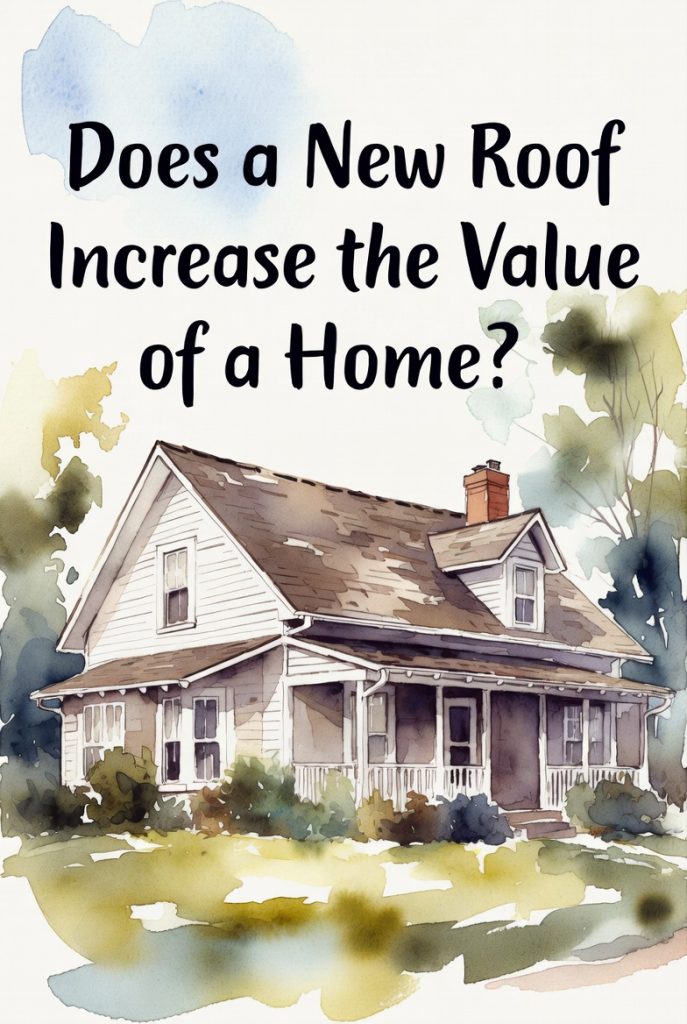
When preparing to sell a home, many sellers wonder whether investing in a new roof will pay off at the closing table. A roof is one of the most important structural components of a house—and one of the most expensive. But does replacing it actually increase your home’s value?
The answer: A new roof can improve marketability, but buyers typically view it as maintenance, not an upgrade.
Let’s break down what that means—and what other items fall into the same category.
Does a New Roof Add Value?
A new roof can absolutely be beneficial when selling your home. It can:
- Boost buyer confidence
- Prevent inspection issues
- Improve curb appeal
- Shorten time on the market
However, most buyers see a functioning, leak‑free roof as a standard expectation. Because of that, replacing a worn roof rarely adds dollar‑for‑dollar value the same way a kitchen renovation or new hardwood floors might.
💡 Key Insight:
Buyers typically won’t pay extra for something they expect to already be in good condition.
Why a New Roof Is Considered Maintenance
Most buyers view a roof the same way they view:
- Plumbing
- Electrical systems
- Foundation
- HVAC performance
These aren’t features—they’re basic operational components of a home. If they’re not functioning well, buyers see them as problems that need to be fixed, not value‑added amenities.
A brand‑new roof might sway a hesitant buyer, but it typically won’t significantly raise the appraised value. Instead, it prevents decreases in value caused by:
- Leaks
- Missing shingles
- Active water damage
- Failed inspection reports
Think of a new roof as removing an objection—not creating new value.
Other Home Items Buyers Consider “Maintenance”
If you’re preparing to list your home, it’s important to understand which repairs or updates fall into the maintenance bucket. These items don’t usually increase value, but failing to address them often hurts your listing.
Below are the most common examples:
1. HVAC System (Heating & Cooling)
Buyers expect the HVAC to be fully functional and serviced regularly.
If it’s old or in poor condition, they’ll use it as leverage during negotiations.
2. Water Heater
Like the HVAC, a water heater is considered a basic necessity—not an upgrade.
Replacing an aging one won’t add value, but it prevents inspection issues.
3. Windows in Poor Condition
While brand‑new windows can improve energy efficiency, replacing cracked, fogged, or rotting windows is seen simply as maintenance.
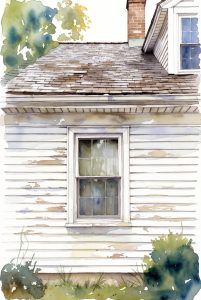
4. Exterior Paint & Siding Repairs
Peeling paint or damaged siding signals neglect and hurts curb appeal. Fresh paint improves marketability but isn’t considered an upgrade unless you dramatically change the aesthetic.

5. Gutters & Drainage
Functional gutters protect the home’s foundation. Clean, repaired gutters are expected—and failures here raise major red flags for buyers.

6. Driveway & Walkway Repairs
Fixing cracks or uneven pavement improves safety and curb appeal but is still standard maintenance.
So… Should You Replace the Roof Before Selling?
Here’s the decision guide I use with my clients:
Replace the roof if:
✔ It’s leaking or has active damage
✔ The inspector will likely flag it
✔ It’s at or beyond expected life (20–30+ years)
✔ Your market favors move‑in‑ready homes
Consider leaving it as-is if:
✔ It’s aging but still functioning properly
✔ You’re willing to offer a credit or adjust the price
✔ The buyer pool includes investors or remodelers
Final Thoughts
A new roof can absolutely help your home sell faster and smoother—but it’s usually treated as maintenance, not a value‑boosting upgrade. If you’re unsure whether it’s worth replacing before listing, let’s take a look at your specific home, condition, and market trends.
I’d be happy to provide a professional evaluation and help you make the best decision for your selling strategy.

Does a New Roof Increase the Value of a Home? A Homeowner’s Guide
When preparing to sell a home, many sellers wonder whether investing in a new roof will pay off at the closing table. A roof is one of the most important structural components of a house-and one of the most expensive. But does replacing it actually increase your home’s value? The answer: A new roof can […]
